Same-day diesel diagnostics
· Priority fleet service
Same-day diesel diagnostics
· Priority fleet service Call us:
610-419-1247
Call us:
610-419-1247 Message us:
info@innovativetruckservices.com
Message us:
info@innovativetruckservices.com

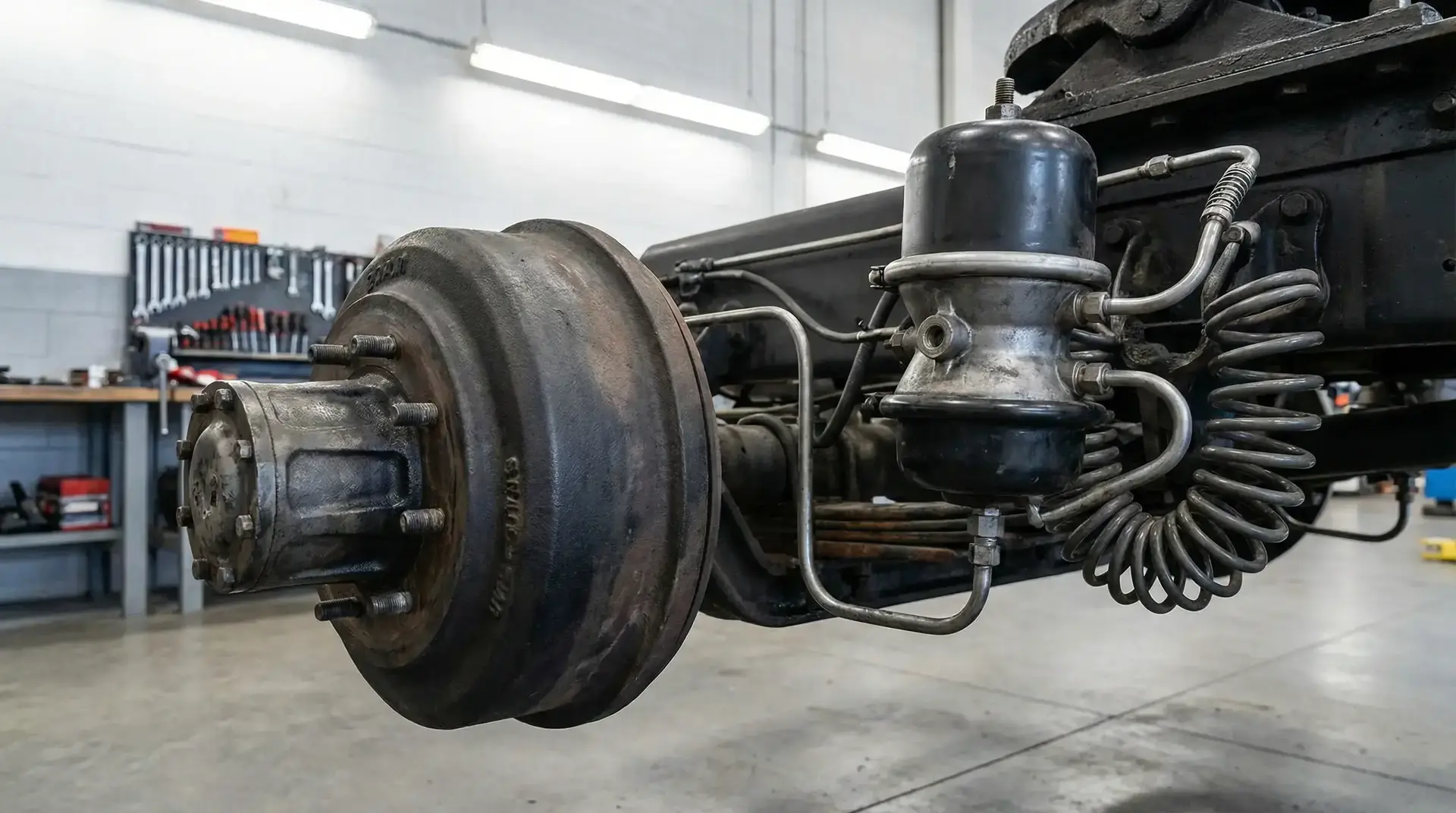
Your truck's air brake system is the most critical safety component on the vehicle. Unlike the hydraulic brakes in passenger cars, air brakes use compressed air to multiply your braking force - which means they work differently and fail differently. Knowing the warning signs can keep you safe on Pennsylvania's highways and help you avoid costly roadside breakdowns or failed DOT inspections.
How Air Brakes Work (And Why They're Different)
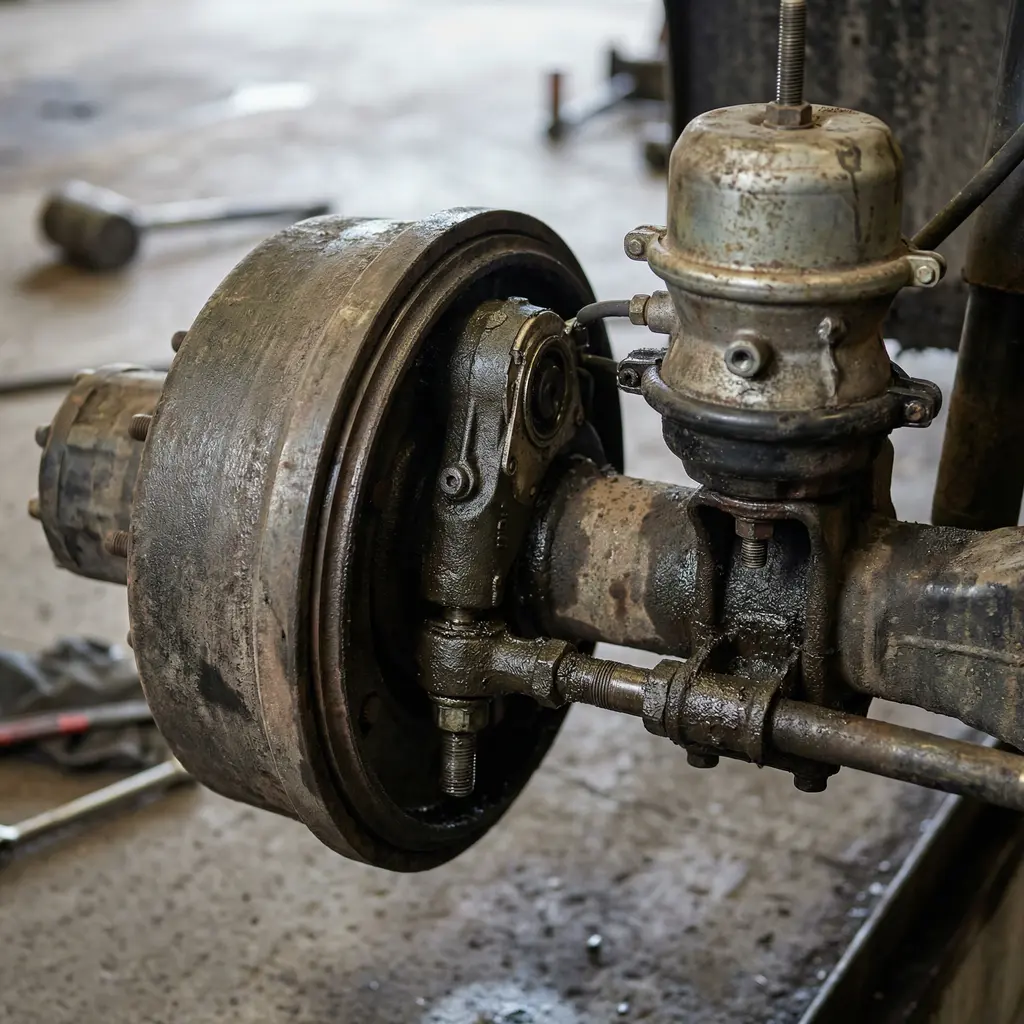
Air brake systems use an air compressor powered by the engine to fill storage tanks with compressed air. When you press the brake pedal, air flows through valves to brake chambers at each wheel, pushing against a diaphragm that applies mechanical force to the brake drums or rotors.
The key difference from hydraulic brakes: air brakes are designed to fail safe. If you lose air pressure, spring brakes automatically engage. This is why you hear that loud "pssshhh" when a truck parks - the air is releasing from the spring brake chambers, allowing powerful springs to lock the brakes.
This fail-safe design is excellent for safety, but it also means air leaks and pressure problems will eventually stop your truck whether you want them to or not.
5 Warning Signs Your Brakes Need Immediate Attention
-
Slow Air Pressure Build-Up
Your air system should build from 85 to 100 psi in about 45 seconds with the engine at idle. If it takes significantly longer, you may have a worn compressor, leaking air lines, or a faulty governor. DOT requires systems to build air pressure from 85 to 100 psi within 2 minutes - but if you're anywhere close to that limit, you have a problem brewing.
-
Excessive Air Pressure Drop
With the engine off and brakes released, air pressure shouldn't drop more than 2 psi in one minute for single vehicles, or 3 psi for combination vehicles. With brakes applied, the limit is 3 psi (single) or 4 psi (combination). Faster drops mean air leaks - check glad hands, air lines, brake chambers, and fittings.
-
Spongy or Low Brake Pedal
If the brake pedal feels soft, travels too far, or requires more pressure than usual, your brake adjusters may be out of adjustment, or you could have worn brake linings. Automatic slack adjusters can fail or fall out of adjustment, leaving you with reduced braking power.
-
Pulling to One Side
If your truck pulls left or right when braking, you likely have uneven brake adjustment or a stuck brake chamber on one side. This creates dangerous handling and uneven brake wear. Get it checked immediately.
-
Unusual Sounds or Smells
Hissing indicates air leaks. Grinding or squealing means worn brake linings. A burning smell after braking suggests dragging brakes or overheated drums. Any of these warrant immediate inspection.
DOT Brake Inspection Requirements in Pennsylvania
During a DOT inspection, officers will check your air brake system thoroughly. Here's what they're looking for:
- Air pressure build-up rate - Must reach 85-100 psi within 2 minutes
- Air pressure drop test - No more than 3-4 psi drop per minute with brakes applied
- Low air warning device - Must activate before pressure drops below 60 psi
- Brake adjustment - Pushrod stroke must be within limits (typically 1.5-2 inches depending on chamber size)
- Brake lining thickness - Minimum 1/4 inch for most applications
- Brake drums and rotors - No cracks, excessive wear, or heat damage
- Air lines and hoses - No chafing, leaks, or damage
- Glad hands - Seals intact, no cross-threading
Brake violations are among the most common reasons for DOT out-of-service orders. Our DOT inspection checklist covers everything you need to pass.
Air Brake Maintenance Schedule for Fleet Operators
Preventive maintenance is the best way to avoid brake failures and DOT violations. Here's what we recommend for fleet maintenance schedules:
Daily (Pre-Trip)
- Check air pressure gauge - should hold steady with engine off
- Listen for air leaks around brake chambers and lines
- Test low-air warning buzzer
- Check parking brake operation
Every 10,000 Miles or Monthly
- Inspect brake linings and drums
- Check and adjust slack adjusters if needed
- Inspect air lines and connections
- Drain air tanks (moisture removal)
Every 50,000 Miles or Annually
- Complete brake system inspection
- Replace brake linings if worn
- Check compressor output and governor settings
- Inspect and replace air dryer desiccant
- Test all valves and chambers
Our fleet preventive maintenance program includes comprehensive brake inspections on a schedule that fits your operation.
How Suspension Problems Affect Your Braking
Your brakes don't work in isolation - they're part of an integrated system with your suspension. Problems with one affect the other:
- Worn shocks or air bags - Cause uneven tire contact and reduced braking effectiveness
- Broken leaf springs - Shift weight distribution and create uneven brake wear
- Misaligned axles - Cause pulling during braking and accelerated tire/brake wear
- Worn bushings - Allow axle movement that affects brake timing and effectiveness
When we inspect brakes at our Allentown shop, we always check the suspension components that work with them. Learn more about our complete brakes and suspension service.
When to Pull Over vs. When to Schedule Service
Pull Over Immediately If:
- Low air pressure warning light/buzzer activates
- Air pressure drops rapidly or won't build
- Brake pedal goes to the floor
- Burning smell from brakes
- Visible smoke from wheel area
- Complete loss of braking on any axle
If you experience any of these, call our 24/7 mobile roadside service at 484-477-8251.
Schedule Service Soon If:
- Air takes longer than usual to build
- Minor air leaks you can hear
- Brake pedal feels different than normal
- Slight pulling during braking
- Squealing or grinding sounds
- It's been 50,000+ miles since last brake service
Get Your Brakes Inspected in Allentown
Don't wait for a failed DOT inspection or roadside breakdown. Innovative Truck Services offers complete air brake system diagnostics, adjustment, and repair for all commercial trucks and fleets in the Lehigh Valley area.
We service all major makes - Freightliner, Peterbilt, Kenworth, Volvo, Mack, International, and Western Star. Our DOT-certified technicians have the experience and equipment to diagnose problems quickly and get you back on the road.
Our Brake Services Include:
- Complete air system pressure tests
- Brake adjustment and slack adjuster repair
- Brake drum and rotor resurfacing or replacement
- Brake lining replacement
- Air compressor and governor service
- Air dryer maintenance
- Brake chamber replacement
- ABS diagnostics and repair
Call 610-419-1247 to schedule brake service, or book an appointment online. Located at 2340 Schoenersville Rd in Allentown, we serve owner-operators and fleets throughout the Lehigh Valley.