Same-day diesel diagnostics
· Priority fleet service
Same-day diesel diagnostics
· Priority fleet service Call us:
610-419-1247
Call us:
610-419-1247 Message us:
info@innovativetruckservices.com
Message us:
info@innovativetruckservices.com

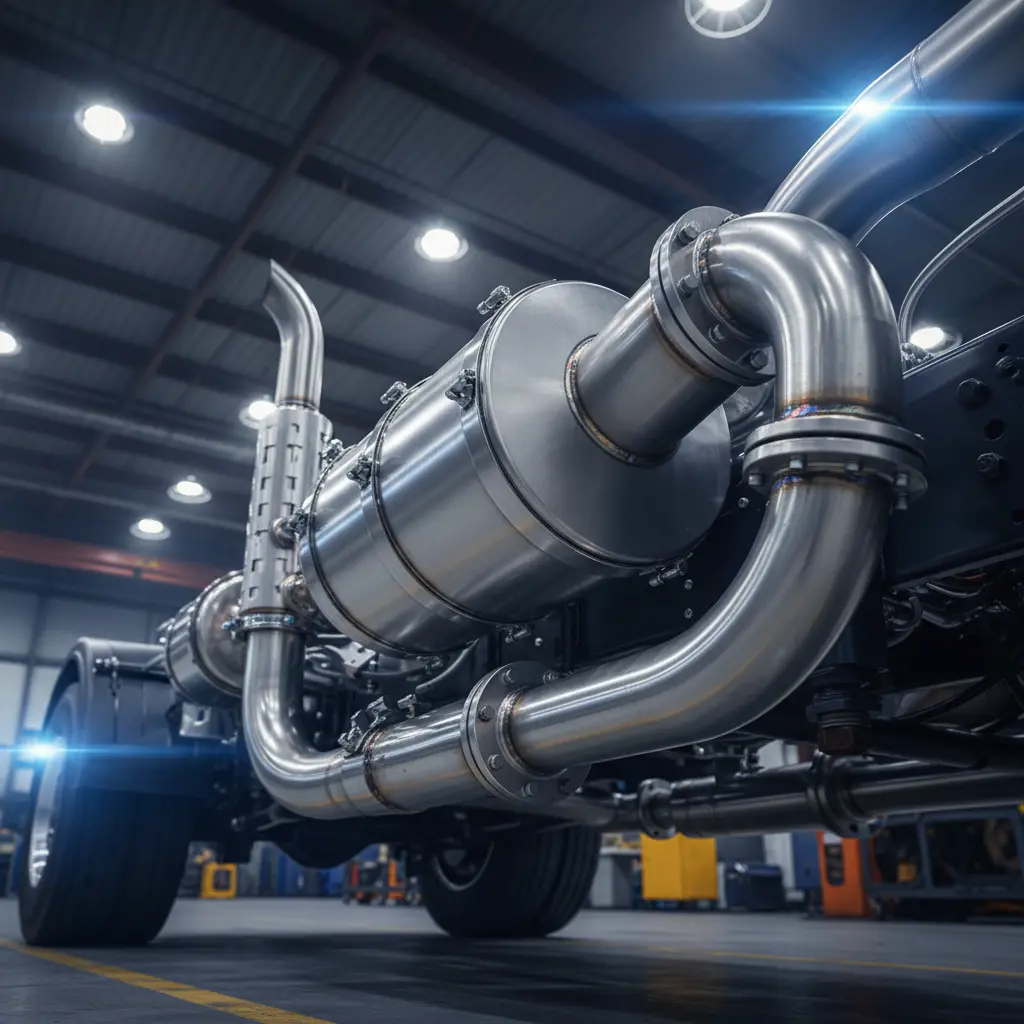
Diesel Exhaust Fluid (DEF) seems simple - it's just urea and water, right? But contaminated, diluted, or poor-quality DEF is one of the fastest ways to destroy an expensive SCR (Selective Catalytic Reduction) system. We've seen $10,000+ repair bills from trucks that were filled with the wrong fluid or stored DEF improperly. Here's what every fleet manager and owner-operator needs to know. For aftertreatment issues, our diesel diagnostics team can pinpoint the problem before it escalates.
What DEF Actually Does
DEF is injected into the exhaust stream where it converts harmful NOx emissions into harmless nitrogen and water vapor. The SCR catalyst facilitates this chemical reaction, but it requires DEF that meets strict ISO 22241 specifications: exactly 32.5% technically pure urea and 67.5% deionized water, plus about 15 other physical and chemical properties.
When DEF doesn't meet these specifications, the chemical reaction doesn't happen correctly. Instead of reducing emissions, you get deposit buildup, catalyst damage, and eventually system failure.
-
Contamination Sources
DEF gets contaminated in several ways: using non-dedicated containers (especially those that held other fluids), filling from equipment not designed for DEF, storing in containers made of copper, zinc, aluminum, or steel (which corrode in DEF), or simply buying low-quality product. Even a small amount of diesel fuel, oil, or coolant in the DEF tank causes major problems.
-
Water or Diluted DEF
Never "top off" DEF with water or use diluted fluid. The system monitors urea concentration and will flag quality codes when concentration is wrong. Some operators think they can save money by diluting - instead they face derate conditions and potential catalyst damage. Tap water is especially harmful because it contains minerals that poison the catalyst.
-
Old or Heat-Damaged DEF
DEF has a shelf life - about 12 months at 77°F, but much shorter in hot climates. Exposure to temperatures above 86°F accelerates urea breakdown. If your truck sits in summer heat or DEF was stored improperly before you bought it, the concentration may be off. Always check expiration dates and buy from high-turnover suppliers.
-
Early Warning Signs
Watch for: DEF quality fault codes, NOx efficiency codes, increased regen frequency, white crystalline deposits around the DEF injector or tank cap, check engine light with aftertreatment-related codes, and progressive power derate. Don't ignore these - the damage compounds quickly.
-
The Damage Cascade
Contaminated DEF first clogs the DEF filter and injector. Then deposits form in the decomposition tube where DEF converts to ammonia. Next, the SCR catalyst gets coated with deposits or poisoned by metals. Finally, NOx sensors read incorrectly, triggering more codes. Each stage costs more to repair than the last.
-
Repair Costs: The Real Numbers
DEF injector replacement: $500-$1,200. Decomposition tube cleaning/replacement: $800-$2,000. SCR catalyst replacement: $3,000-$8,000. Full aftertreatment system replacement: $8,000-$15,000+. Compare that to $15-20 per gallon for quality DEF and the math is clear.
2027 EPA Regulation Changes
Starting with model year 2027, all new diesel vehicles must be engineered to avoid sudden power loss after DEF depletion. For existing trucks, current EPA guidance provides a stepwise approach: 15% initial torque reduction, then progressive restrictions if DEF issues aren't addressed. The goal is preventing operators from bypassing the system entirely.
This makes proper DEF management even more critical. Trucks that develop DEF system problems will face increasingly severe operational restrictions until repairs are made.
Prevention: Fleet Manager Best Practices
Purchasing:
- Buy only API-licensed DEF (look for the certification mark)
- Request Certificate of Analysis with bulk shipments
- Purchase from suppliers with high inventory turnover
- Check expiration dates before accepting delivery
Storage:
- Use dedicated DEF-rated containers only
- Keep stored DEF below 86°F when possible
- Protect from direct sunlight
- Never store in metal containers (use HDPE plastic or stainless steel)
Dispensing:
- Use dedicated DEF pumps, hoses, and nozzles
- Never use equipment that handled other fluids
- Train drivers on proper filling procedures
- Keep tank caps clean and sealed
What We Do When DEF Problems Appear
- Pull and analyze fault codes related to DEF quality, dosing, and NOx efficiency
- Test DEF concentration and check for contamination
- Inspect injector, lines, and decomposition tube for deposits
- Evaluate SCR catalyst efficiency with NOx sensor data
- Flush contaminated systems and replace affected components
- Clear codes and verify proper operation after repairs
Early intervention is key. If you're seeing DEF-related codes, don't wait - the longer contaminated fluid circulates, the more damage occurs. Learn more about DPF and aftertreatment maintenance to keep your emissions system healthy.
Schedule DEF System Diagnosis
If you're experiencing DEF warning lights, quality codes, or derate conditions, call 610-419-1247 or book online. We'll diagnose the issue accurately before recommending repairs. Located at 2340 Schoenersville Rd, Allentown, PA - serving fleets throughout the Lehigh Valley.
Related Articles
-
-
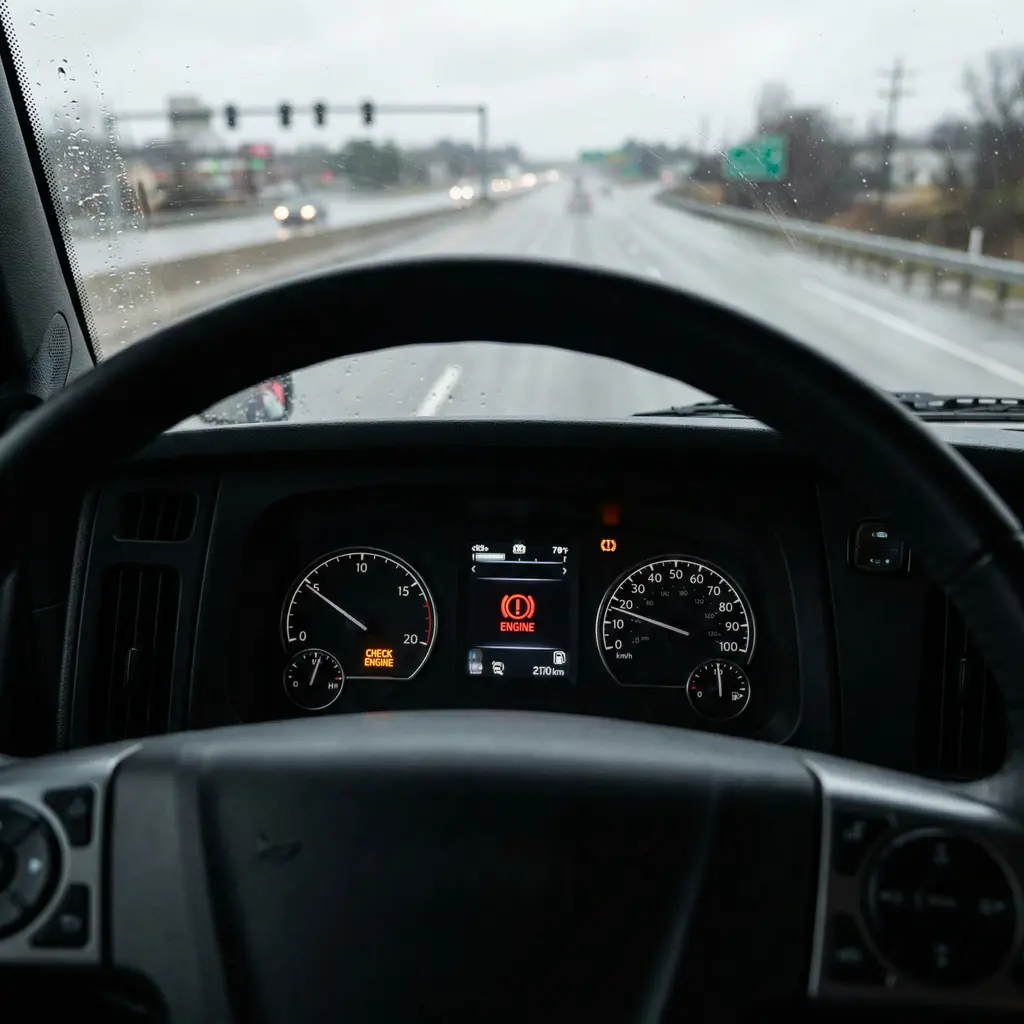
Check Engine Light: What Diesel Fault Codes Mean
30 Dec 2025 -

-

-

DOT Inspection Checklist for PA Owner-Operators
20 Jun 2025 -