Same-day diesel diagnostics
· Priority fleet service
Same-day diesel diagnostics
· Priority fleet service Call us:
610-419-1247
Call us:
610-419-1247 Message us:
info@innovativetruckservices.com
Message us:
info@innovativetruckservices.com

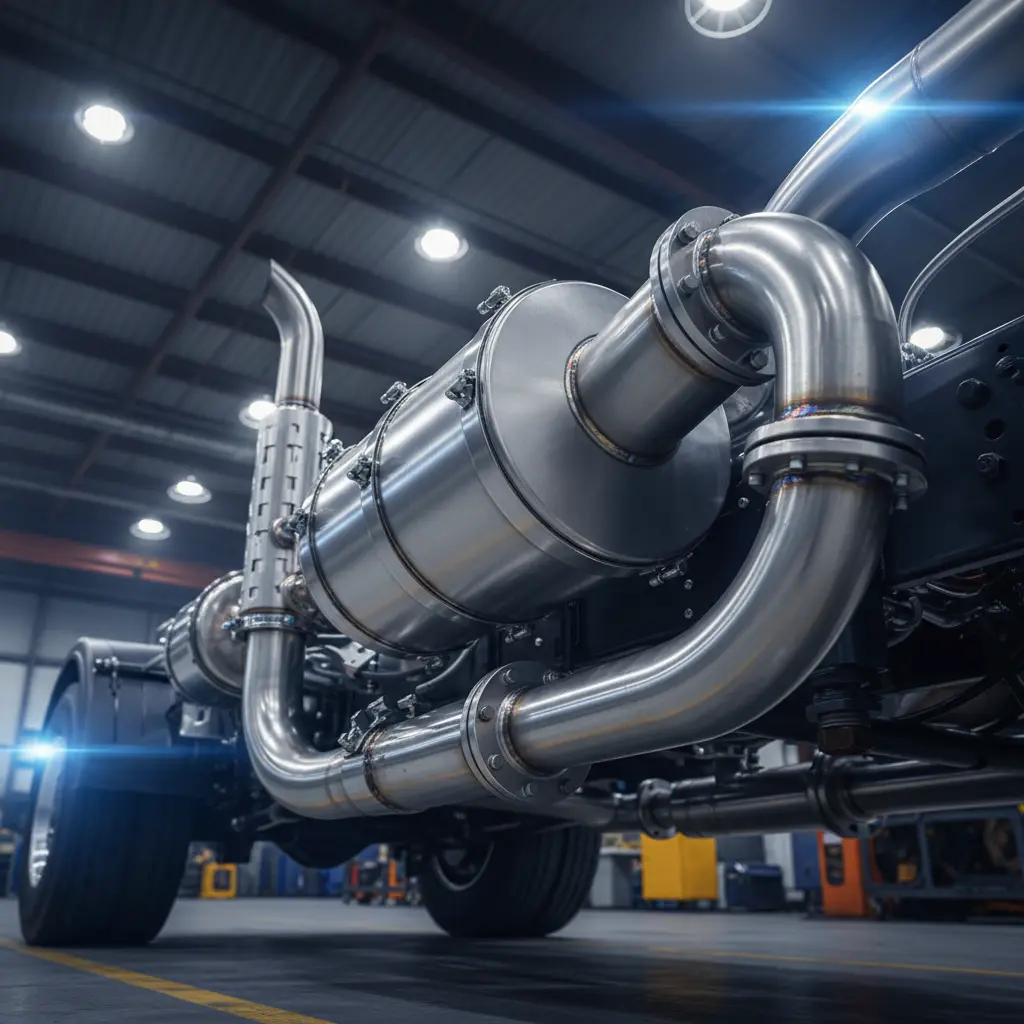
Modern diesel fuel injectors operate at pressures up to 30,000+ PSI, precisely metering fuel into cylinders multiple times per combustion cycle. When they fail, the symptoms range from annoying rough idle to catastrophic engine damage. Understanding the warning signs - and acting quickly - can mean the difference between a $700 repair and a $25,000 engine rebuild. Our diesel diagnostics service identifies injector problems accurately before they escalate.
How Modern Diesel Injectors Work
Today's common rail diesel systems maintain constant high pressure in a fuel rail, with electronically-controlled injectors opening precisely when commanded by the ECM. Each injector may fire 5-7 times per power stroke (pilot, main, and post-injection events) to optimize combustion, reduce emissions, and minimize noise. The tolerances are microscopic - injector tips have holes smaller than a human hair.
This precision means diesel injectors are sensitive to fuel quality, contamination, and wear. When problems develop, the sophisticated fuel delivery strategy falls apart, affecting everything from idle quality to emissions compliance.
-
Rough Idle or Engine Vibration
A failing injector that doesn't deliver the correct fuel amount causes uneven cylinder contribution. The engine runs rough, especially at idle when the imbalance is most noticeable. You may feel excessive vibration through the steering wheel or seat. If one cylinder consistently misfires, the shaking follows a rhythmic pattern.
-
Hard Starting or Extended Cranking
Injectors that don't seal properly or fail to deliver adequate fuel during cold starts make the engine harder to fire. You'll notice longer cranking times, especially in cold weather. This symptom often worsens progressively as the injector deteriorates.
-
Loss of Power Under Load
When pulling grades or accelerating with a load, failing injectors can't deliver enough fuel to meet demand. The truck feels sluggish, may enter limp mode, or struggles to maintain speed. This is often accompanied by excessive exhaust smoke.
-
Excessive Black or White Smoke
Black smoke indicates incomplete combustion - often from over-fueling due to a stuck-open or leaking injector. White smoke (unburned fuel vapor) suggests an injector isn't atomizing fuel properly. Either condition damages the DPF and aftertreatment system over time.
-
Strong Fuel Odor
Smell diesel when you shouldn't? A leaking injector can allow raw fuel to enter the exhaust or crankcase. Check your oil level - if it's rising or smells like fuel, you have injector blowby diluting your oil. This accelerates bearing wear throughout the engine.
-
Increased Fuel Consumption
Injectors that deliver too much fuel or at the wrong time waste diesel. If your fuel economy drops significantly without changes in load or driving patterns, suspect injector problems. The ECM may be compensating for weak cylinders by over-fueling others.
-
Engine Knock or Diesel Clatter
While some diesel clatter is normal, excessive knocking indicates combustion timing issues often caused by faulty injector spray patterns. The fuel isn't atomizing correctly, leading to delayed or uncontrolled combustion that sounds like metallic knocking.
-
Check Engine Light with Fuel Codes
Common codes include cylinder contribution/balance faults, injector circuit codes, fuel pressure deviation, and misfire codes. Don't ignore these - the ECM is telling you exactly where to look. Our diagnostic tools read manufacturer-specific codes that generic scanners miss.
The Escalation Timeline: Why Waiting Costs More
Here's what happens when injector problems go unaddressed:
Week 1-2: Rough idle, slight smoke, minor fuel economy loss. Single injector replacement: $700-$1,800.
Week 3-4: Fuel dilutes oil, bearing wear accelerates, DPF loading increases. Now you need injector + oil change + possible turbo inspection: $2,000-$3,500.
Month 2: Oil contamination damages bearings, raw fuel ruins DPF, cylinder wash removes lubrication from cylinder walls. Engine damage begins: $8,000-$15,000.
Month 3+: Spun bearing, scored cylinder, cracked piston from detonation, destroyed turbo from oil starvation. Complete rebuild or engine replacement: $15,000-$35,000.
What Causes Injector Failure?
Fuel Quality: Water, dirt, algae, and sulfur compounds in fuel erode injector tips and clog tiny passages. Buying from reputable stations and keeping tanks full (reducing condensation) helps prevent contamination.
Fuel Filter Neglect: Clogged filters allow debris to reach injectors. Replace primary and secondary filters at manufacturer intervals - or sooner if fuel quality is questionable.
Normal Wear: Even with perfect fuel, injectors have a lifespan. Plan for inspection or replacement around 100,000-150,000 miles depending on your duty cycle.
Electrical Issues: Voltage spikes, poor grounds, or wiring damage can fry injector solenoids. Electrical diagnosis should accompany injector testing.
How We Diagnose Injector Problems
- Read and interpret OEM-level fault codes
- Perform cylinder contribution/balance test to identify weak cylinders
- Injector buzz test to verify electrical operation
- Fuel pressure and volume testing
- Return flow test to measure injector leakage
- Oil analysis for fuel dilution
- Visual inspection of injector tips when accessible
Proper diagnosis prevents replacing injectors that aren't the problem - and identifies all affected injectors so you're not chasing symptoms one at a time. Sometimes a fuel supply issue mimics injector failure, and replacing injectors won't fix it.
Repair Costs: What to Budget
- Single injector replacement: $700-$1,800 depending on make/model
- Complete set (6 or 8 injectors): $3,000-$6,500
- Injector + related repairs (seals, cups, lines): Add $200-$500
- High-pressure fuel pump if damaged: $1,500-$3,500 additional
Quality matters with injectors. Remanufactured units from reputable suppliers often perform well at lower cost, but cheap offshore rebuilds frequently fail quickly. We source from trusted suppliers and warrant our work.
Prevention: Extend Injector Life
- Change fuel filters at recommended intervals (or sooner with questionable fuel)
- Use quality diesel from high-volume stations
- Keep tanks above 1/4 full to reduce condensation
- Consider fuel additives with lubricity improvers (especially with ULSD)
- Address check engine lights promptly before damage spreads
- Include injector inspection in preventive maintenance at 100k+ miles
Schedule Injector Diagnosis
If you're experiencing rough running, smoke, power loss, or fuel-related codes, call 610-419-1247 or book online. Early diagnosis saves thousands in preventable damage. We're at 2340 Schoenersville Rd, Allentown, PA - serving owner-operators and fleets throughout the Lehigh Valley.

Related Articles
-
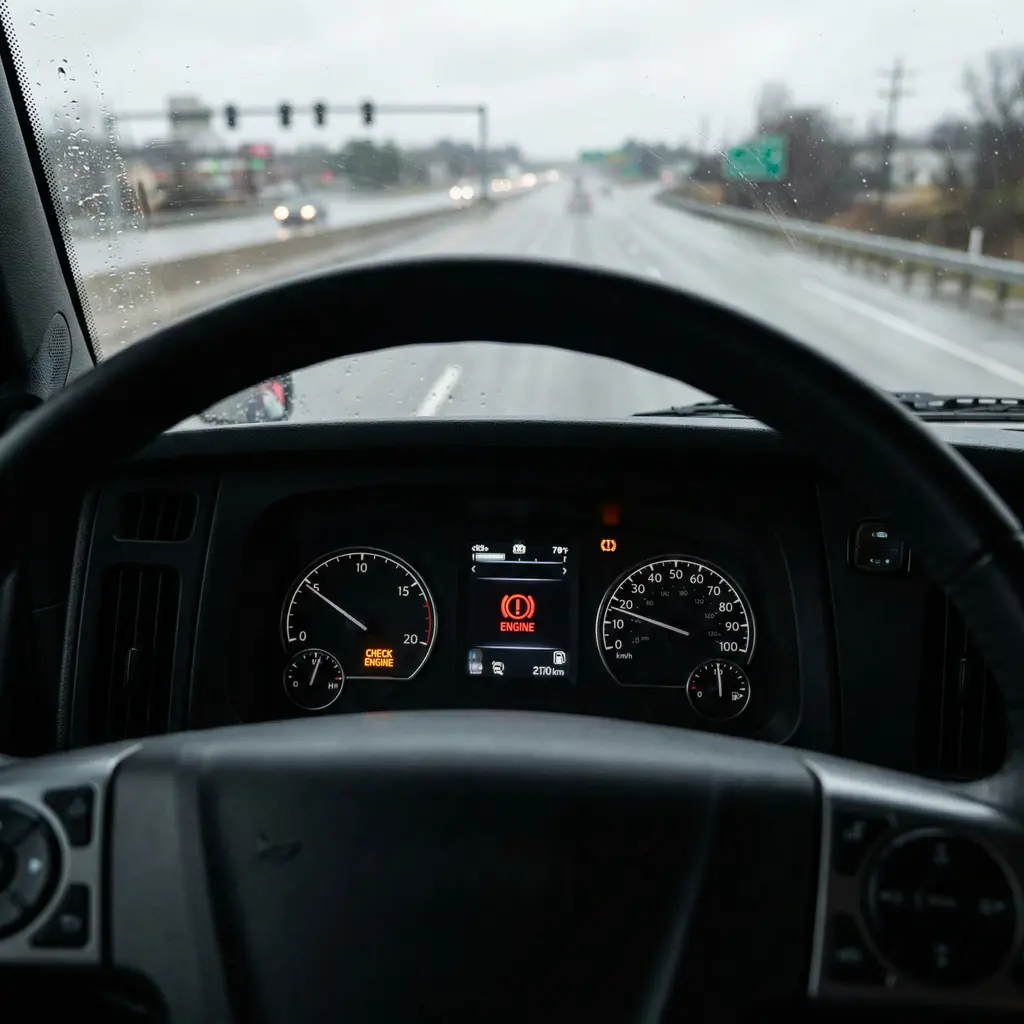
Check Engine Light: What Diesel Fault Codes Mean
30 Dec 2025 -
-
-

-
Diesel Truck Starter & Alternator Problems
26 Jan 2026 -